The Problem: Culture Pages Nobody Believes
A mid-sized tech company needed to rewrite their internal culture documentation. Five core values — Curiosity, Eagerness to Develop, Readiness for Feedback, Willingness to Make Decisions, and Stepping Up — each needed a page with concrete behavioral examples. The kind of page that answers “what does this actually look like on a Tuesday afternoon?”
The old pages had a quote, two generic behavioral statements, and a link. Employees skimmed them during onboarding and never looked again. The goal was pages people would recognize as theirs — descriptions that made someone say “yeah, that’s how we actually work here.”
Writing five pages of authentic culture content from scratch is genuinely hard. You need to capture the specific flavor of how this team, in this company, lives these values. Not corporate aspiration. Not HR boilerplate. The actual texture of daily work.
So they used AI. But not the way most people use AI.
The Method: Generate, Select, Refine
Here’s the workflow that emerged, and it’s deceptively simple:
Step 1: Give the tool deep context.
Before generating a single example, the user answered 69 questions. Not casually — structured, specific questions about how each value shows up in real work. What does “curiosity” look like for a developer versus a designer? When has “stepping up” gone wrong? What’s the difference between “eagerness to develop” and workaholism?
Sixty-nine answers. That’s the foundation most people skip. Not because the Q&A method itself is the point — but because investing in context changes what the tool produces. The raw material gets better when the machine has specifics to work with instead of generalities to hallucinate around.
Step 2: Generate in abundance.
For each value, the tool produced a variable number of behavioral examples. Sometimes 8, sometimes 12 — never a fixed count. Enough diversity to see patterns and enough variety to find the gems.
Step 3: Select with taste.
This is where the real work happens. The user went through the batch and kept only what fit. But it wasn’t passive picking from a list. It was active curation: discarding what felt off, sometimes writing new examples from scratch that the tool hadn’t thought of, correcting wording until it sounded like something a real colleague would say, and injecting context the tool couldn’t know — like referencing a workshop the team had actually held, or a specific process that existed in the company. The judgment wasn’t just “which of these are good?” It was “what’s missing, what’s wrong, and what do I need to add myself?”
Step 4: Refine through combination.
Then: “Take these 7 and merge them into the best 5.” The tool combines, tightens, synthesizes. The user reviews again. The cycle continues until it’s right.
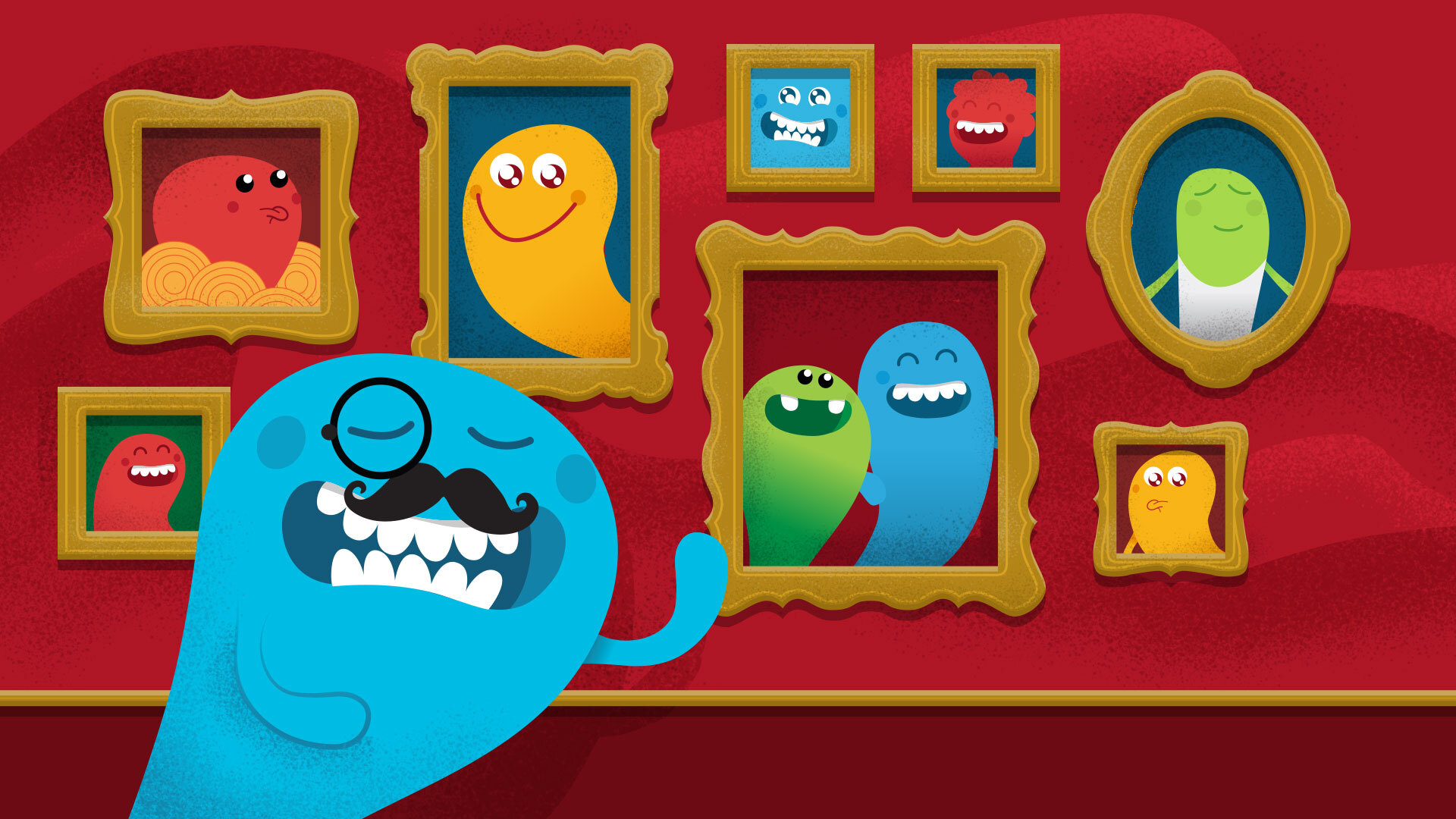
This pattern — generate abundantly, select with judgment, refine through iteration — is the curator’s workflow. A museum curator doesn’t paint. But their selections create meaning. The exhibit isn’t the sum of all available art; it’s the careful choosing that tells a story.
The Moment Taste Became the Creative Force
The user had seen output from a prior session. The tone was wrong — it read like HR policy documents. This wasn’t a surprise reaction mid-flow. It was a deliberate quality judgment made between sessions.
The user came back with clear direction: “Too corporate. Make them more natural, direct, and human.”
That single sentence transformed the output. The tool rewrote everything. Instead of “Employees demonstrate initiative by proactively identifying opportunities for improvement,” the page now read like a colleague talking: “We grab orphaned issues instead of waiting for someone to assign them.”
Same information. Completely different feel. The difference? One reads like an HR policy document. The other reads like something someone on your team would actually say in a standup.
This is what I mean by taste as creative force. The user didn’t write that sentence. They didn’t need to. They needed to recognize that the first version was wrong and articulate why. “Too corporate” — that’s a taste judgment. It’s editorial instinct. And it’s the one thing a tool genuinely cannot generate for itself.
Curation in Action: Five Key Moments
Let me show you what curation looked like across this project:
1. The selection that shaped everything.
Ten curiosity examples generated. User selects seven. Asks the tool to merge into five. The three that got cut? They were technically correct but didn’t feel like the company. That feeling is the entire point.
2. Anti-examples as editorial choices.
For each value, the tool also generated anti-examples — common misunderstandings of the value. The user didn’t keep all of them. They selected which misconceptions were worth addressing and which were obvious enough to skip. Choosing what to exclude is curation too.
3. Injecting what the tool can’t know.
Generated examples were good starting points — but they lacked specifics. The user added references to actual workshops the team had run, corrected terminology to match internal language, and rewrote examples to reflect processes that only existed in practice, not in any document the tool had read. The tool provided the scaffold. The user filled it with institutional reality.
4. Rejecting false consistency.
During the Focus Field rewrite planning, the tool proposed a unified template for all pages — same sections, same flow, same format. The user pushed back: “I don’t need a unified template for all focus topic pages as each has their own purpose.” Each value got its own natural flow and voice. Consistency for its own sake would have flattened the content into sameness.
5. The sixty-nine answers as investment.
Before any writing happened, the user invested time in structured Q&A — answering detailed questions about actual behaviors, processes, and cultural norms. This wasn’t writing. It was informing. Building a context reservoir so deep that when the tool generated examples, they came out grounded in reality rather than corporate imagination.
The Counterfactual: What Happens Without a Curator
Imagine this project without curation:
- Without selection: All generated examples shipped for each value. Readers get a wall of text, half of which doesn’t resonate. The page feels exhaustive instead of precise.
- Without tone judgment: Corporate-speak throughout. Employees read it once, roll their eyes, file it under “HR stuff that doesn’t apply to me.” The pages fail at their core purpose.
- Without the 69 answers: Examples are generic. “Shows curiosity by asking questions in meetings.” True of any company. Not this company. Not the team that has Feature Owners and Development Impulse Talks and Thursday deployment conventions.
- Without injecting context: Examples reference abstract “processes” instead of the specific workshop held last quarter or the actual tool the team uses daily.
The result without curation? Content that’s technically correct and emotionally dead. The kind of culture documentation that makes people say “that was clearly written by AI” — not because of any stylistic tell, but because it lacks the specificity and judgment that comes from someone who knows.
The Outcome
The final DNA pages were shared with the organization. They weren’t flagged as AI content. People read them and recognized their own workplace. The examples felt specific, the tone felt right, and the structure felt intentional.
Five pages. Each with curated examples, anti-examples, support resources, and connections to other company frameworks. Written in a voice that sounds like a knowledgeable colleague explaining things over coffee, not a consultant delivering a report.
The tool did the heavy lifting of generation. It produced options, drafted prose, combined and refined on request. But the judgment — what stays, what goes, what tone to strike, what structure serves the reader — that was entirely the user’s.
The Principle: Taste Is Your Superpower
Here’s what I want you to take away:
You don’t need to be a brilliant writer to produce brilliant writing with AI. You need to be a brilliant judge. You need to know when something sounds wrong, even if you can’t immediately articulate why. You need to be willing to say “no, try again” and “closer, but more like this.”
The generate-select-refine workflow works because it plays to complementary strengths. The tool is tireless at producing options. People are matchless at evaluating them. The tool can write in any voice you describe. But only you know which voice is right.
This applies far beyond culture documentation:
- Marketing copy that needs to sound like your brand, not a brand
- Internal communications that should feel like your leadership team, not a template
- Training materials that need to reflect how your organization actually works
- Any content where authenticity is the point
The curator’s advantage is this: you don’t need to create from nothing. You need to select from abundance with judgment, and then guide refinement with taste. That’s a skill most people already have — they just haven’t recognized it as a creative act.
Start Here
Next time you need to write something that matters — something that needs to sound like you or your team — try this:
- Invest in context first. Answer the tool’s questions. Volunteer information. The more it knows about your specific situation, the better its raw material will be.
- Ask for more than you need. Request 10 options when you need 5. Abundance is the raw material of curation.
- Trust your reactions. If something feels off, it is. You don’t need to explain why before asking for changes — “too corporate,” “not quite,” “closer but warmer” are all valid direction.
- Combine freely. You’re not picking from a menu. Take the best parts from multiple options and merge them. Remix. Synthesize.
- Reject false consistency. Not everything needs to follow the same template. Let each piece find its natural shape.
You already have taste. You already have judgment. You already know what sounds right and what doesn’t. That’s the curator’s advantage — and it’s the one thing a tool cannot replicate.
The paintbrush got infinitely faster. But the eye that guides it? That’s still yours.
by Dominik Go